
We do more than just build.
0%

A SIP structure creates a completely airtight shell with much more effective insulation properties (indicated by the higher R-value/lower U-value) than traditional timber frame. This allows us to control indoor air quality, using mechanical ventilation and heat recovery systems, and engineer a building that’s healthier to live in.

In our eco homes, a SIP structure creates a completely airtight shell with much more effective insulation properties (indicated by the higher R-value/lower U-value) than traditional timber frame. This allows us to control indoor air quality, using mechanical ventilation and heat recovery systems, and engineer a building that’s healthier to live in.
Contaminants, toxins and allergens are filtered out of the incoming air, leaving good quality fresh air circulating. Rather than relying on air flowing through cracks or holes in a building’s walls, roof or windows, mechanical ventilation in a SIP building circulates fresh air consistently using ducts and fans. The expanded polystyrene (EPS) insulation and oriented strand board (OSB) used in the manufacture of SIPs meet the highest standards for indoor air quality.

Air in a home relying on ‘natural ventilation’ can be very humid in winter when windows are closed and we spend more time indoors. This humidity results from showering and cooking but also just moving around and breathing, and if not properly expelled it can result in high levels of condensation and mould. The SIP panel building system itself reduces the risk of mould, which can form due to condensation inside cavities and cold bridges in traditional timber frame constructions, and lamination of the EPS insulation discourages bacteria growth.

We are better able to maintain a consistent temperature in our eco homes due to the high thermal resistance and minimal air leakages of the SIP structure and this both increases comfort and decreases energy usage and household bills. SIP structures also perform well in blocking and absorbing sound, including high frequency noises that can impact quality of life.

SIPs do not contain gas or any volatile organic compounds (VOCs) – chemicals that can adversely affect health inside the home. The EPS used in fact eliminates HCFCs and HFCs, which are ozone depleting VOCs released into the air by some other types of insulation. The expanded EPS core of the panel is also flame-retardant, adding to your peace of mind in the event of fire.

Sunlight is essential for optimising mood, giving us energy, motivation and contentment. We can maximise the light in a room using venetian blinds or solar glass so that we can keep windows unobstructed as much as possible. Natural light promotes the body’s wake and sleep cycles.

It’s important to link the light in your home to the body’s circadian rhythm and limit the amount of blue light emitted especially in the early morning and evenings. Using dim-to-warm LED technology and dynamic white light fixtures we can better mimic the variation in natural light.

This is the concept of bringing the outdoors indoors at design stage, connecting the house to the natural environment. Plants are natural air filters, reducing allergens, and increasing air quality and oxygen levels. They stabilise humidity and look great, leaving inhabitants feeling more relaxed and peaceful.

The layout and flow of your interior can have a significant impact on mood with open plan, spacious areas increasing energy levels and cosier areas designed to retreat to for relaxation. A well designed layout where you can easily access priority items or areas encourages a feeling of contentment and eases frustration.

Wall colours and art work are chosen according to how the space will be used, for example light colours create a feeling of relaxation, and deep, saturated colours give an indulgent, luxurious feel. We can source non-toxic, zero VOC paint or paint made from 100% organic material.

We design and source functional storage systems that encourage organisation and tidy living for relaxation and decluttering which have significant mental health benefits. We source brands that manufacture in an ecological, sustainable way. We can also optimise health by choosing mite free coatings and allergy-free materials.


French environmental regulations RE2020 are gradually coming into force, requiring carbon impact assessment and life cycle analysis of new builds. Our properties already surpass government standards and achieve AA ratings for energy and emissions, resulting in significant savings on future household heating bills, resulting in significant savings on future household heating bills.
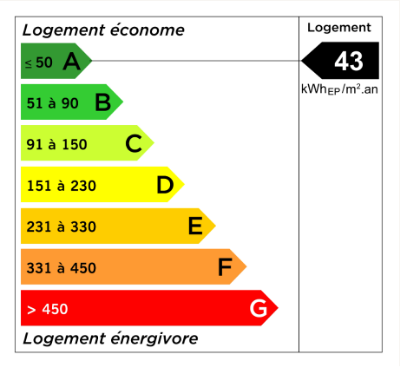
Using thermal engineering we create a detailed plan to ensure the building is as low impact as possible, achieves an AA energy rating and conforms with French environmental regulations RE2020. By harnessing the natural heat energy from the ground and the air, we can cool the building in summer and heat it in winter using minimal electricity.


